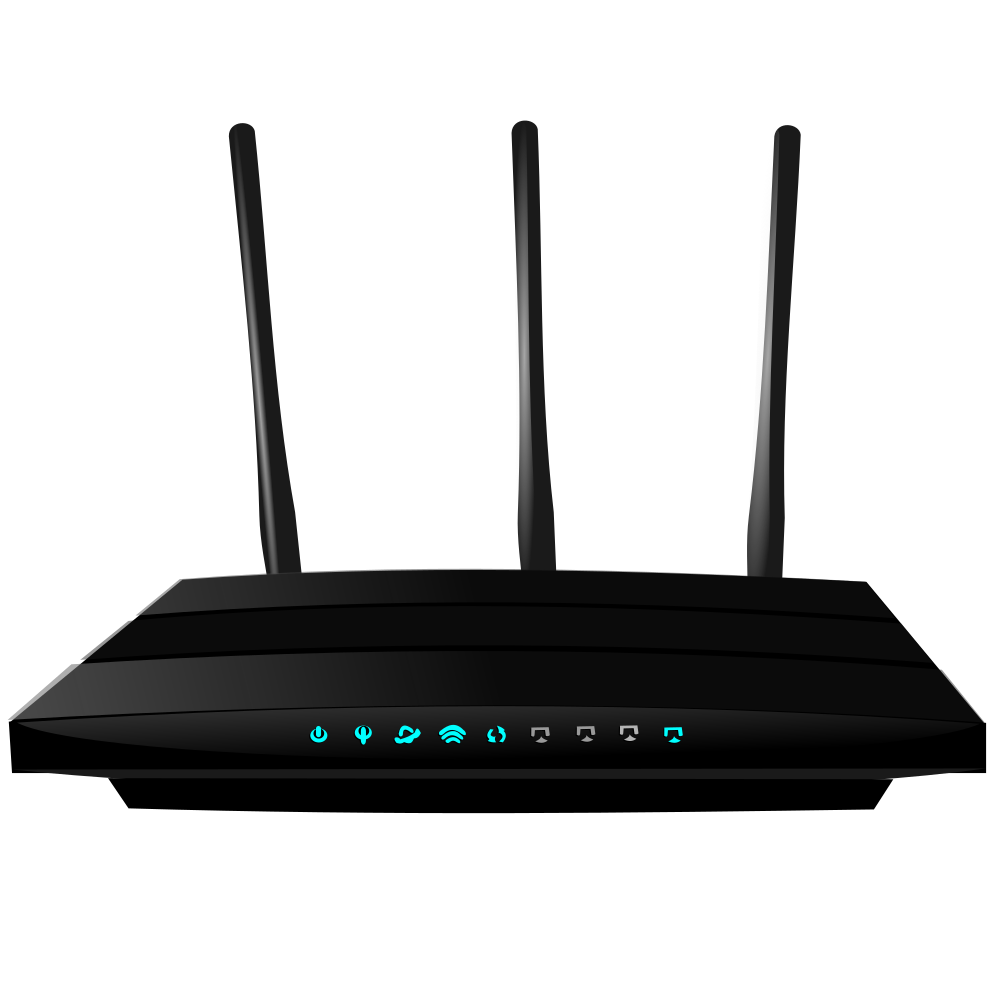
Open source
Put your idea into your firmware, build your own ONU/modem for optical fiber

Based on openwrt
Ideal for small flash
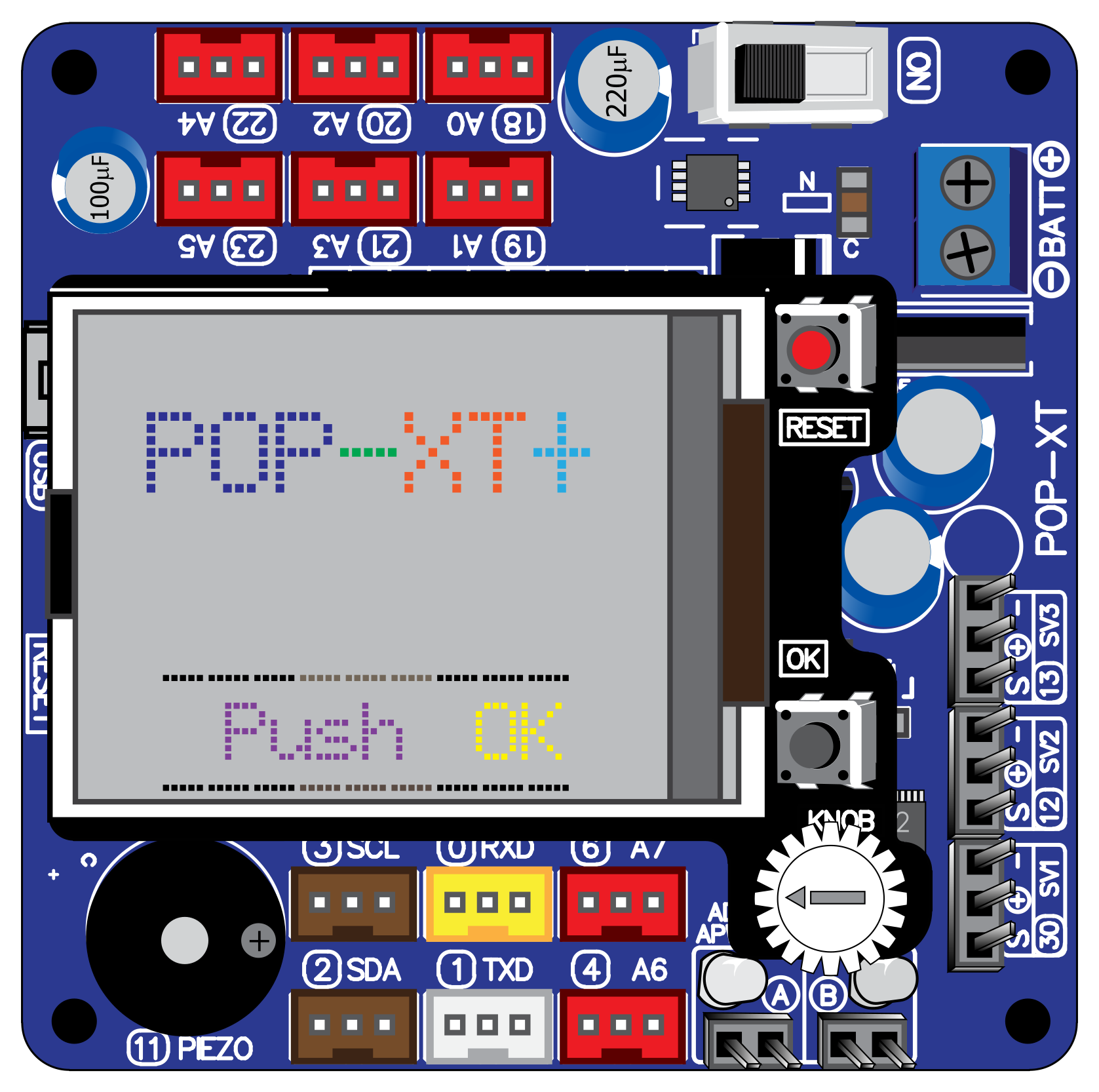
Customise your hardware
Put better wifi chip, more RAM, ...



User space.
The software/command used to set the gpon/epon settings, in C to have low memory footprint
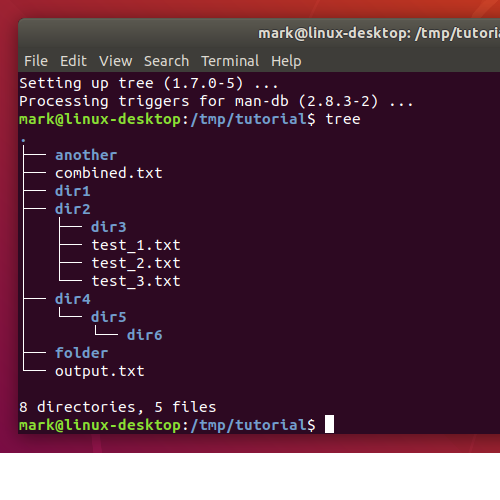
Linux kernel driver. Where the performance matter.
It's the control the specific port where is connected the optical module, in C

Dev platform + test cases. Accelerate closed to open source.
And as BONUS help greatly to detect backdoor/security problem. Most of ONU ported to open source into few weeks. So many industrial secret... Accelerated reverse engineering. 200k of code lines. What I prefer: be paid to open source or be paid to keep closed sources...


openXPON Certified
A mark a vendor requests, and pays for, per ONU or OLT model. The vendor supplies binaries or source code, so the protocol is simulated against openXPON, and equipment, an FPGA or a simulator, so the test bench can watch memory, CPU and leaks through every benchmark and a long run at accelerated time while modes and configuration change.
A buyer gets a model shown to work at any time and under any use by a large body of validated tests, instead of a manual checklist a technician can forget; an open-source firmware adds updates and possible gains in performance or stability. The method is public, and every test and benchmark result is published here and can be reproduced.
Ported devices
Every device below has been declared for this work. Each carries a dated certificate recording what was measured on a live GPON line against a real operator OLT, and how many of the suite's cases it passed and failed; a port still in progress is listed with whatever it has measured so far, so the work in flight is visible.
| Device | Cases passed / applicable | Benchmarks passed / applicable | Document |
|---|---|---|---|
| X100DG HSGQ · RTL9601D | 171 / 201 | 60 / 61 | certificate (PDF) · ES · stock vs OpenWrt |
| X111W HSGQ · RTL9602C | 235 / 254 | 99 / 101 | certificate (PDF) · ES · stock vs OpenWrt |
| V2801RGW VSOL · RTL9602C | 215 / 252 | 99 / 101 | certificate (PDF) · ES · stock vs OpenWrt |
| G24W LANLY · RTL9603CVD | 214 / 256 | 80 / 101 | certificate (PDF) · ES · stock vs OpenWrt |
| UNKNOWN UNKNOWN · RTL9607C | 0 / 274 | 1 / 126 | certificate (PDF) · ES · stock vs OpenWrt |
| X400AXF HSGQ · RTL9607F | 233 / 272 | 125 / 126 | certificate (PDF) · ES · stock vs OpenWrt |
Every device declared on the bench appears here, whether or not it has been measured yet. Passed / applicable counts the OpenWrt cases and benchmark points that passed against every one the device's declaration makes applicable: a failed, blocked or not yet measured one is not passed, and devices that declare the same capabilities have the same denominator. Any run updates only the cases it measures; other results remain. A dash means nothing applicable is declared yet. Benchmarks count every figure the device pages and the stock-vs-OpenWrt report publish -- throughput over every WAN configuration, WiFi, latency and stability, endpoint and routed throughput, GPON processing, device resources, boot time, signal, memory and footprint -- restricted to each device's declared radio bands. Each stored result retains its measurement date and image; these counters describe accumulated validation, not certification of the current image. The document column links this device's certificate -- which prints its own passed and failed counts on its first page -- and this device's stock-vs-OpenWrt comparison.